About Slewing Bearings
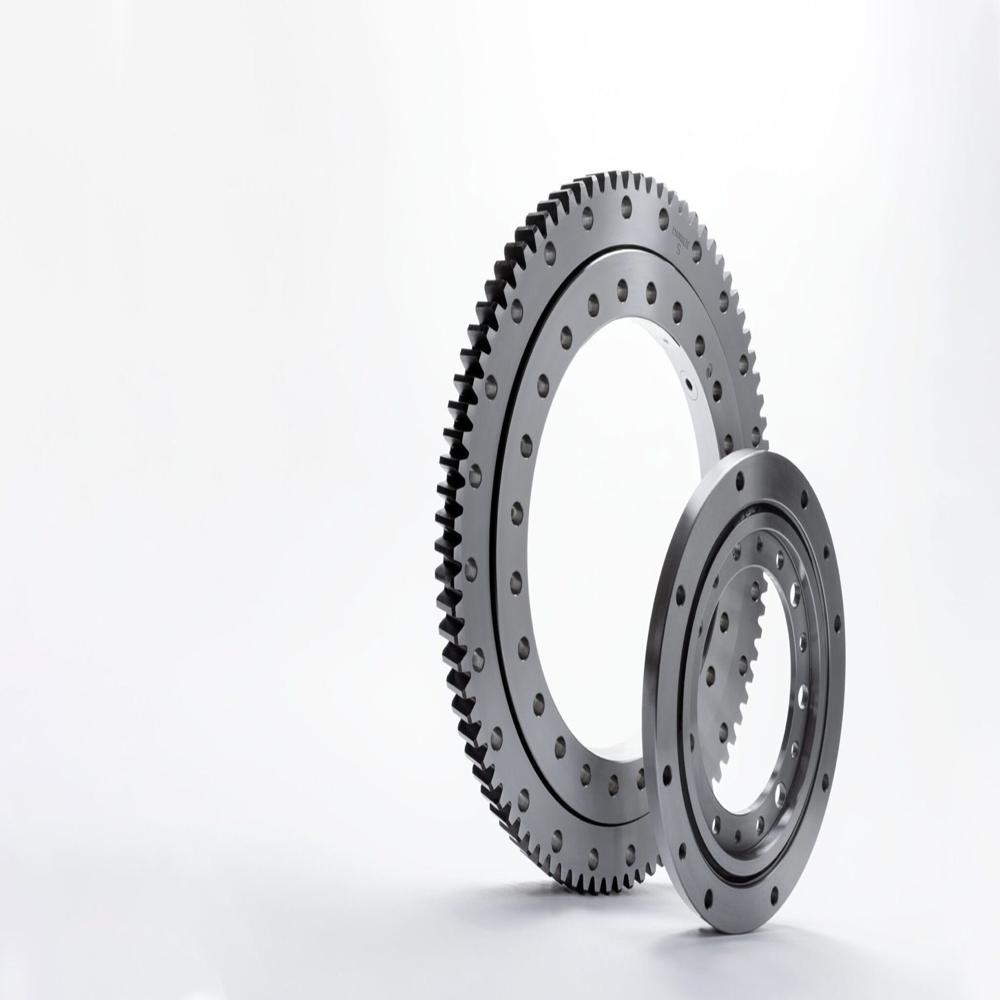
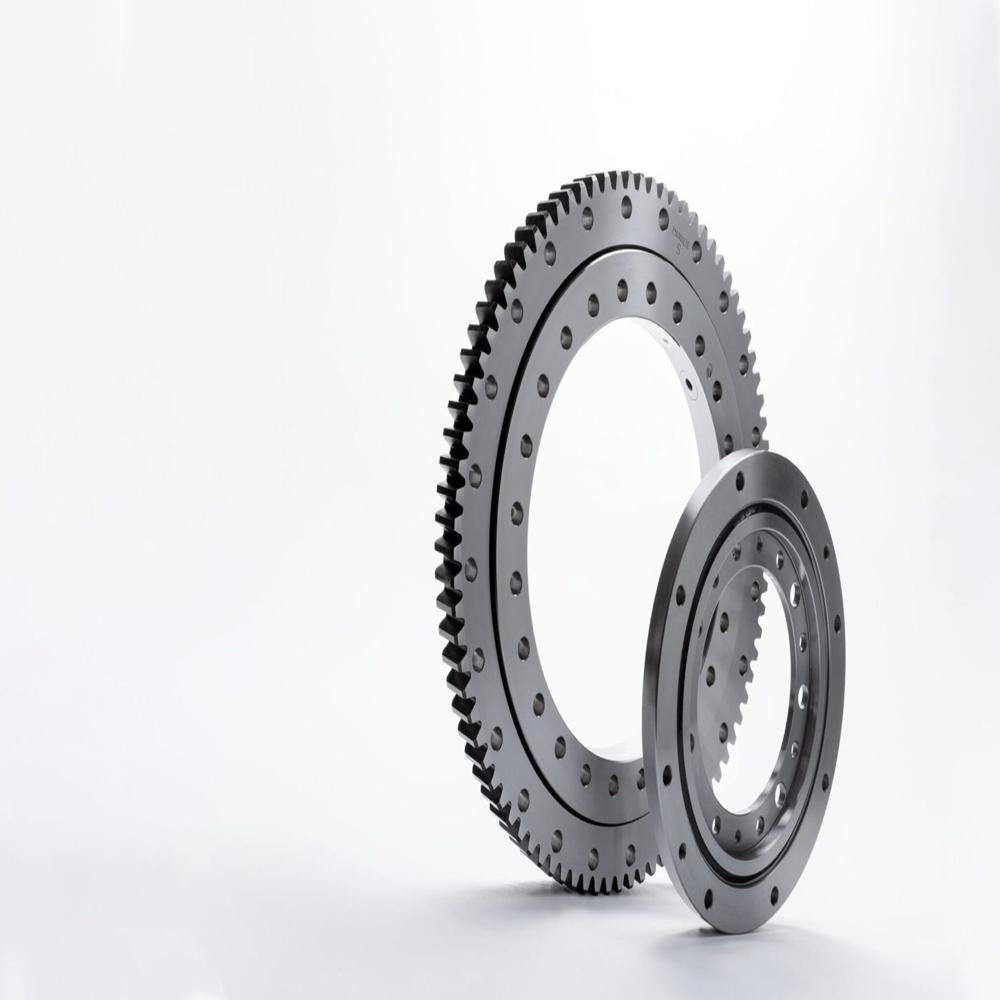
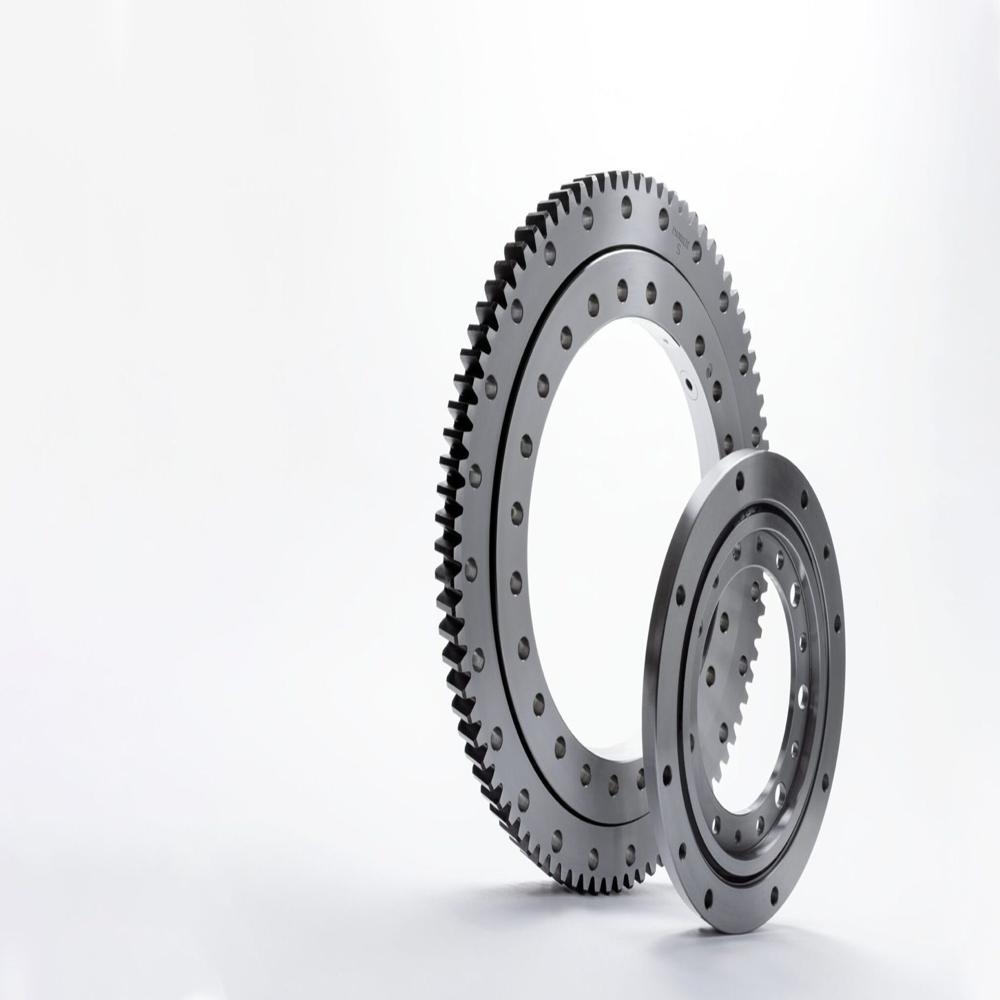
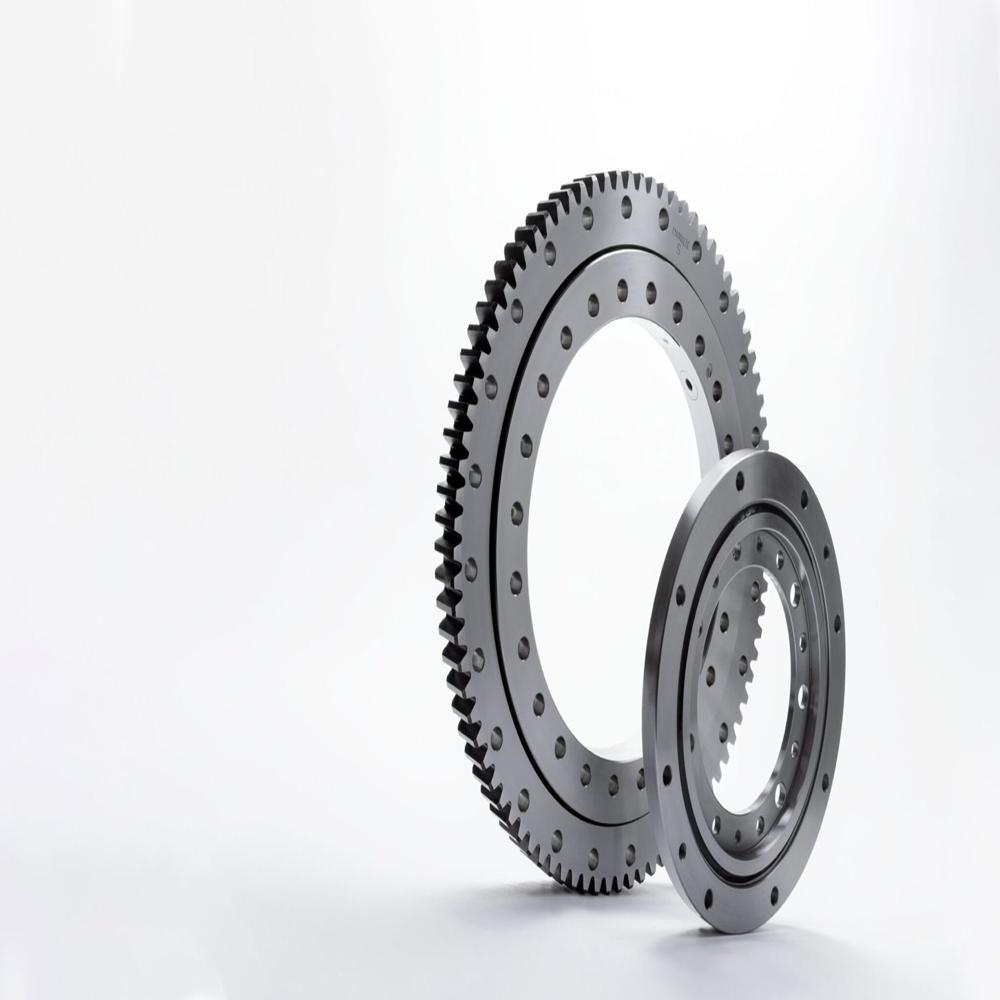
Slewing Bearings Product Description
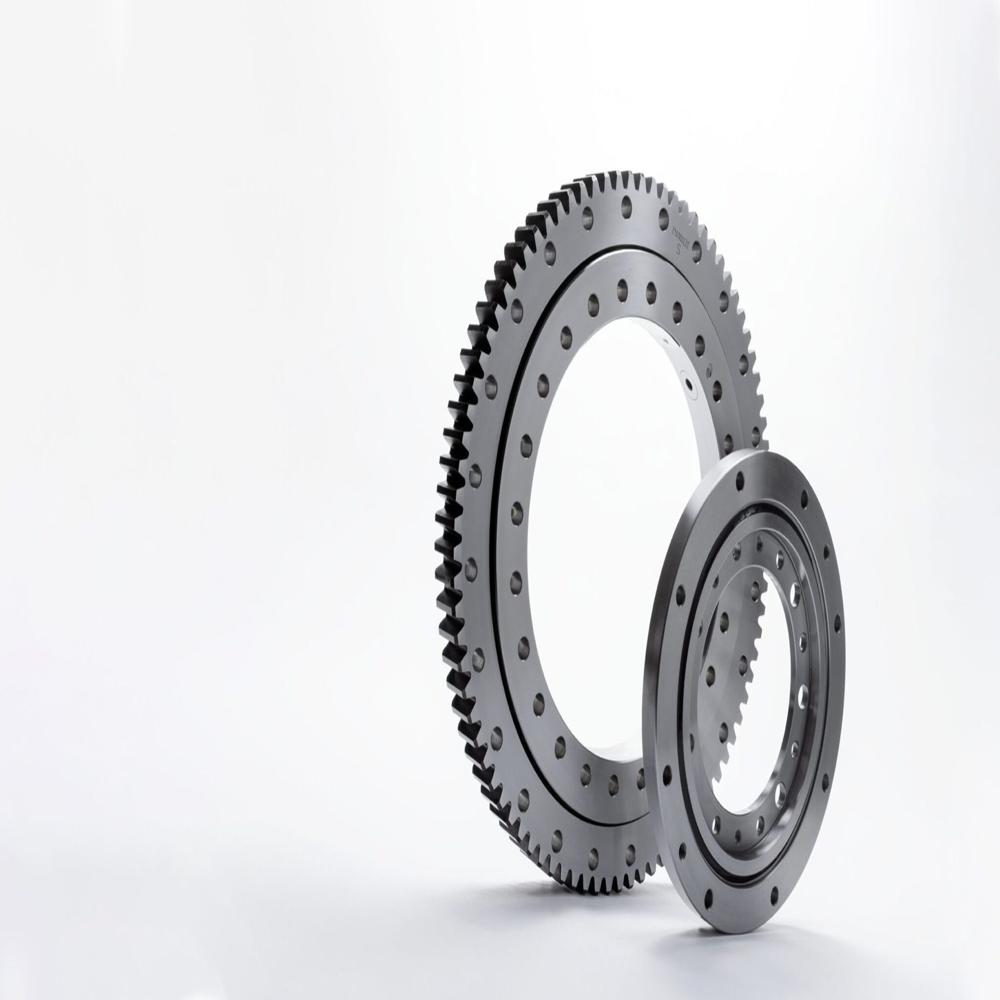
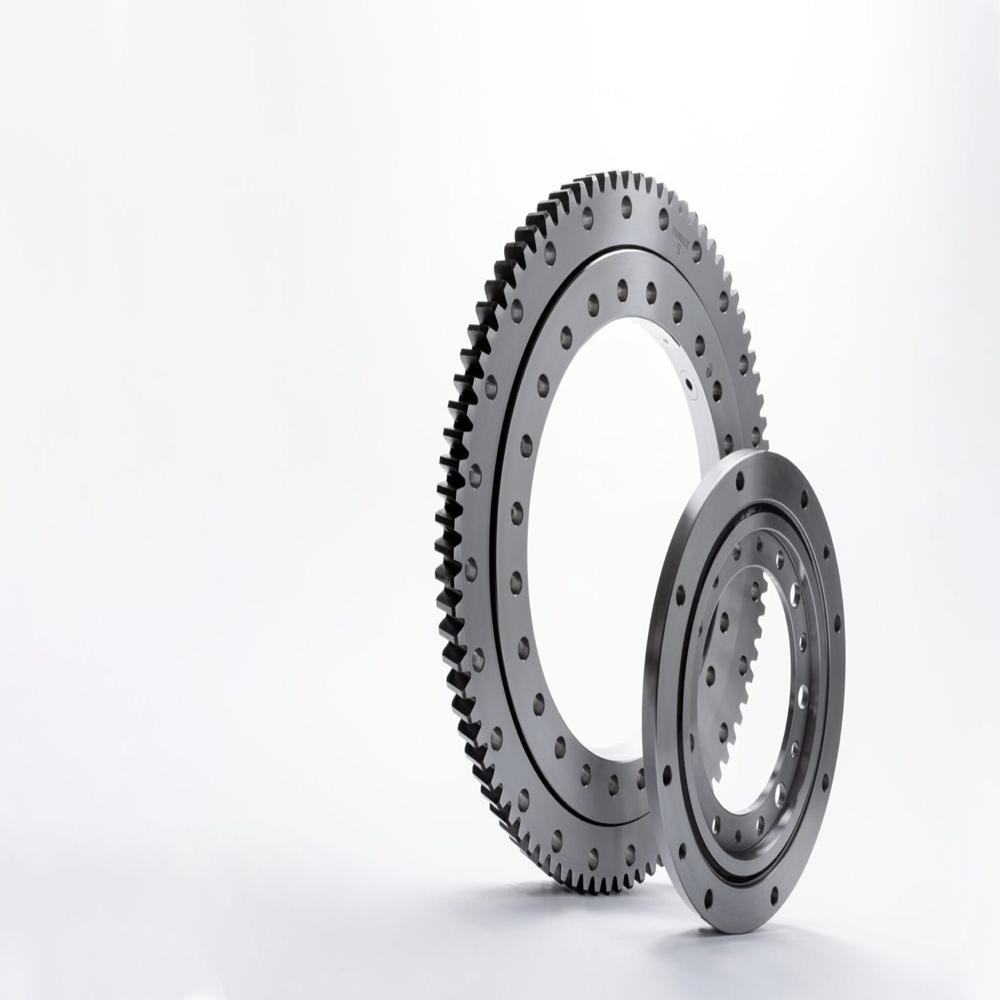
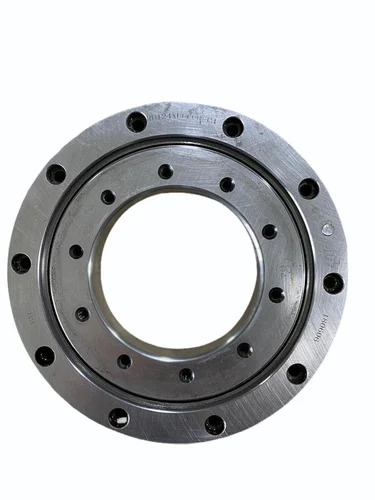
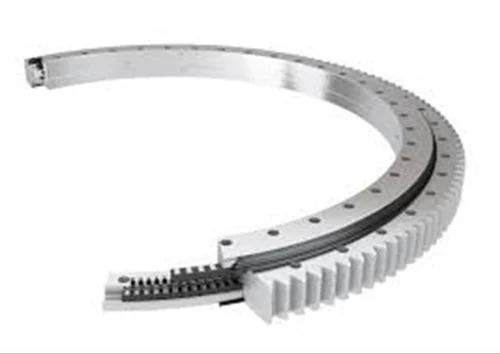
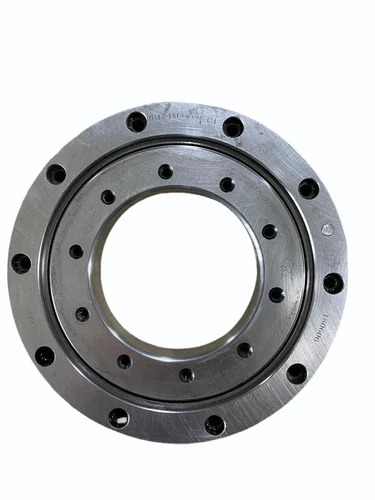
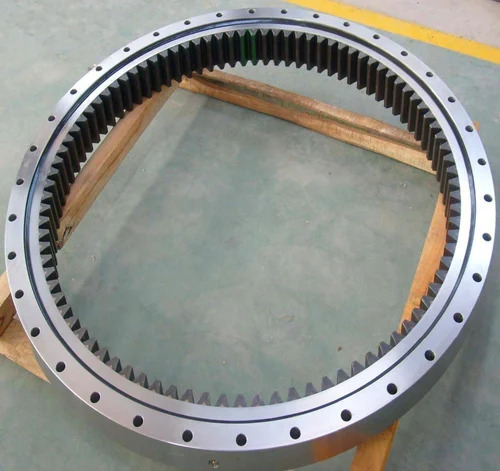
Slewing Bearings are high-performance rotational bearings designed to support heavy axial, radial, and tilting moment loads while allowing smooth rotational movement between connected machine components. Manufactured using high-quality materials, these bearings offer excellent load-bearing capacity, durability, precision, and resistance to wear. They are widely used in heavy-duty machinery and equipment where reliable rotation and stability are essential. Slewing Bearings are commonly used in cranes, excavators, wind turbines, construction equipment, mining machinery, material handling systems, and industrial applications.
Search Keywords for TradeIndia:
-
Slewing Bearings
-
Industrial Slewing Bearings
-
Heavy Duty Slewing Bearings
-
Slewing Ring Bearings
-
Slewing Ring
-
Ball Slewing Bearings
-
Roller Slewing Bearings
-
Single Row Slewing Bearings
-
Double Row Slewing Bearings
-
Excavator Slewing Bearings
-
Crane Slewing Bearings
-
Turntable Bearings
-
Rotary Bearings
-
Large Diameter Slewing Bearings
-
Industrial Rotary Bearings
Versatile Gear Options and Custom SizingChoose from external, internal, or non-geared slewing bearings, expertly crafted to meet your project's functional requirements. With bore sizes and diameters tailored to your specification-up to 4000 mm-they adapt seamlessly to new builds or replacements in existing machinery.
Built for Heavy Loads and LongevityOur slewing bearings employ a robust four-point contact ball structure and single or double-row configurations, bearing high axial, radial, and moment loads. The salt bath or phosphated surface provides formidable corrosion resistance, even in challenging environments.
Precision Engineering and Easy InstallationMaintain operational efficiency with bearings precision-rated up to P6, equipped with pre-drilled mounting holes for hassle-free installation. Steel or brass cages-plus integral or segmented retainers-ensure smooth movement, and relubrication holes keep maintenance simple.
FAQ's of Slewing Bearings:
Q: How are Slewing Bearings with gear option installed in heavy machinery like cranes and excavators?
A: The bearings are equipped with pre-drilled mounting holes, facilitating straightforward integration into equipment frames. Proper alignment and securing of the bolts are crucial to ensure optimal load distribution and performance during operation.
Q: What gear options are available for these slewing bearings and when should each type be used?
A: You can select from external, internal, or non-geared designs. External or internal gears are chosen based on drive configuration and space constraints, while non-geared options suit applications using separate drive mechanisms or direct coupling.
Q: Where can these slewing bearings be applied apart from excavators and cranes?
A: Besides standard use in excavators and cranes, these bearings are ideal for wind turbines, industrial robots, and material handling systems-any application requiring support for large, rotating structures under heavy load.
Q: What process ensures the bearings' resistance to corrosion, and what is the benefit?
A: A salt bath or phosphated surface treatment is applied during manufacturing, significantly improving corrosion resistance. This prolongs the bearing's lifespan, especially in harsh outdoor or industrial environments.
Q: How does the double or triple labyrinth seal benefit the bearing's performance?
A: These seals offer superior protection against dust, water, and contaminants, maintaining lubrication and reducing wear, which results in longer service life and low maintenance requirements.
Q: What is the typical operating temperature range and how does it affect usage?
A: These bearings function reliably from -30C to +80C, making them suitable for both subzero and high-temperature environments found in diverse industrial applications.
Q: What are the advantages of using high-grade alloy steel or 42CrMo4 material in these bearings?
A: High-grade alloy steel and 42CrMo4 offer excellent strength, durability, and resistance to wear, supporting high loads while maintaining structural integrity over extended periods of use.






 Send Inquiry


 Send Inquiry
 Send Inquiry
 Send SMS
 Call Me Free
